Featured news

UC Newsroom |
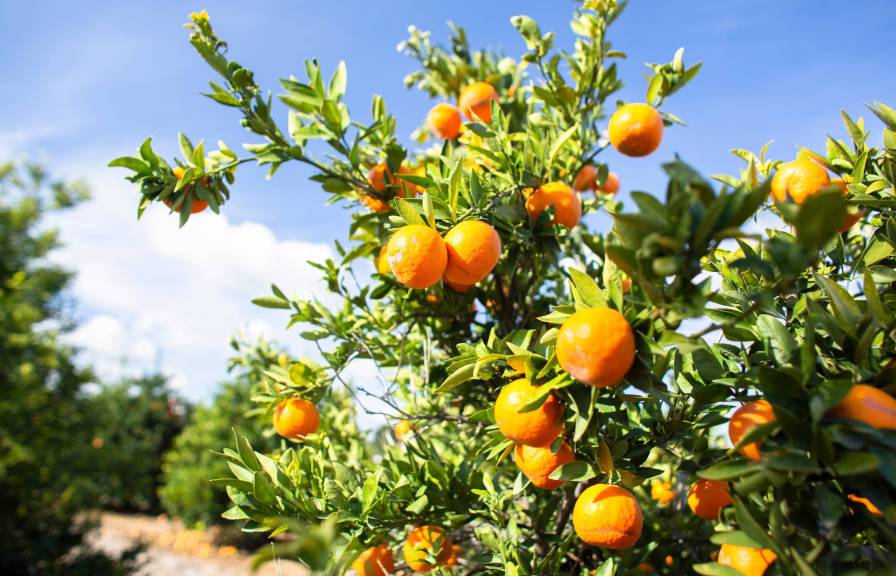
Made in the USA, grown in California
Key topics
Explore critical issues and find out more about UC's impact on the state and the world.
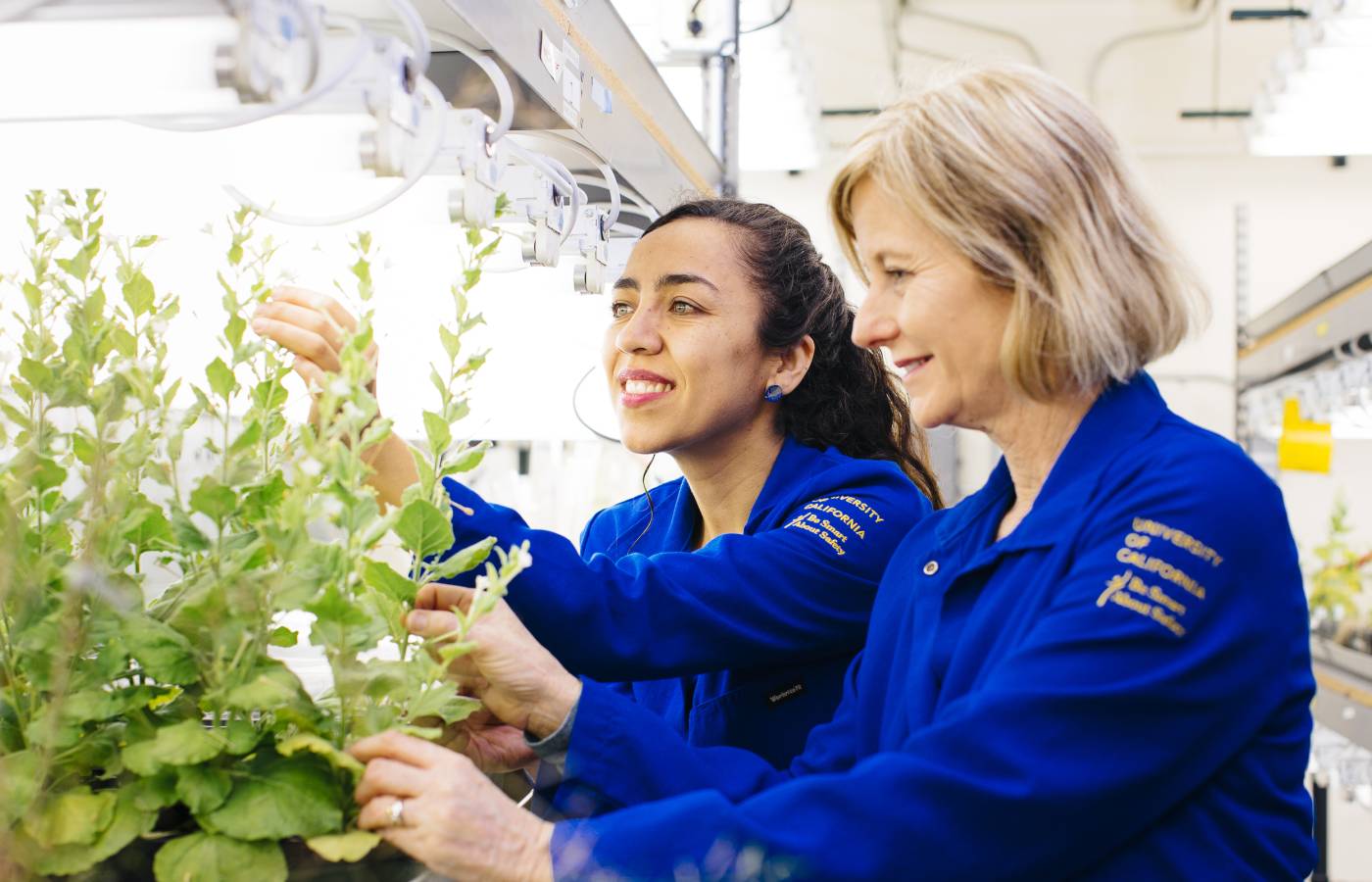
A new (and surprising) way to use solar panels
In the middle of California's Central Valley, a new way to use solar panels could change how we think about clean energy and water. It’s a simple idea that people have talked about for decades, but only now is it finally being tested in real life.
Latest news
UC Santa Barbara |
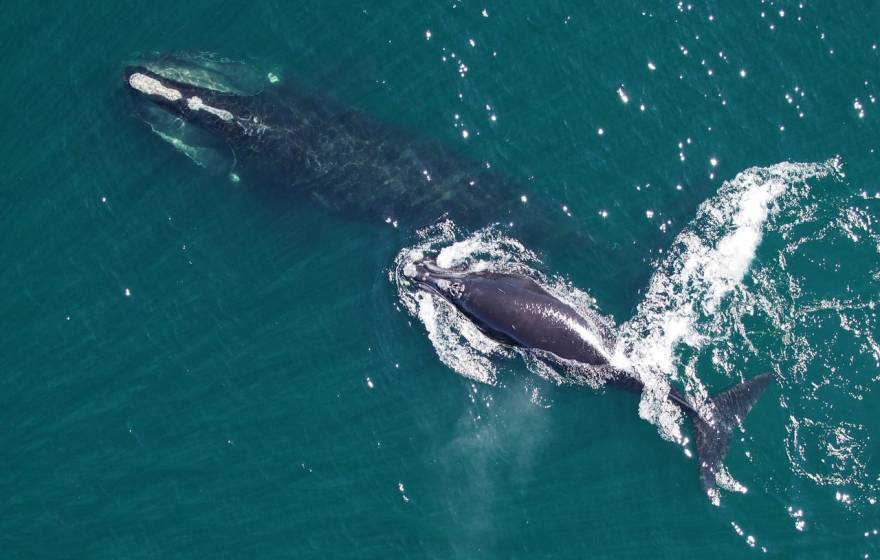
Cargo ship monitor Whale Safe heads east to help a new endangered whale
There are only about 350 North Atlantic right whales left on Earth — but they are about to get some much-needed help from UC Santa Barbara scientists.
UC Davis |
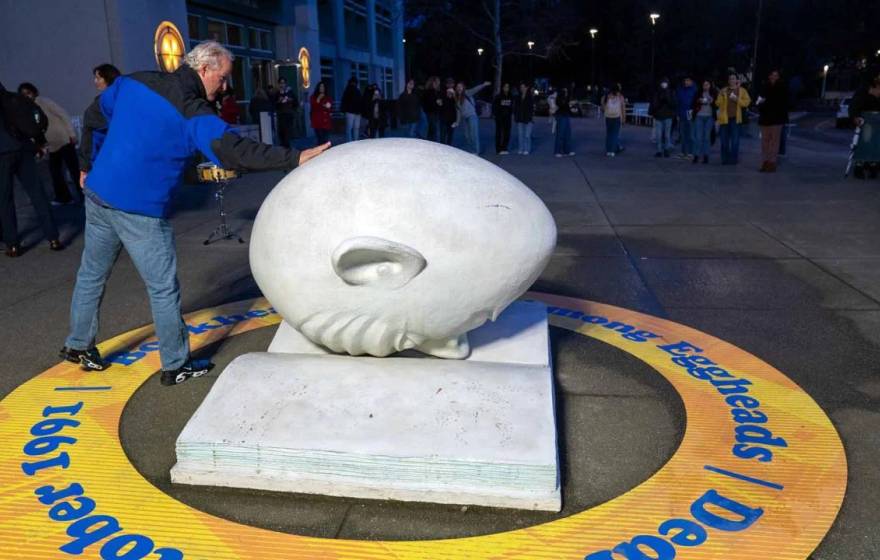
The lasting legacy of Arneson’s Eggheads
The famed sculptures, the last of which was installed 30 years ago this year, are being commemorated with events marking 2024 as the Year of the Eggheads.
UC Berkeley |
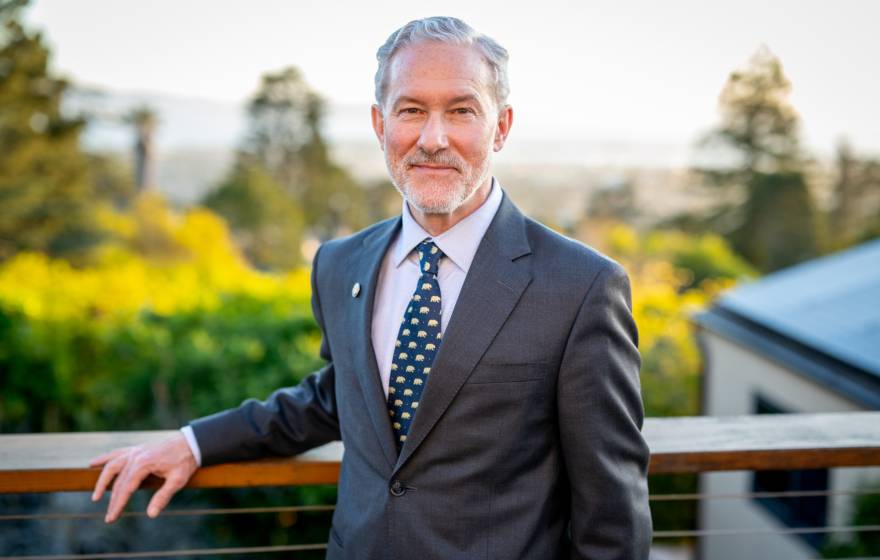
Rich Lyons, longtime campus business, innovation leader, will be UC Berkeley's next chancellor
With decades of experience on campus, Lyons — the former dean of the Haas School of Business — will take over from outgoing Chancellor Carol Christ on July 1.

UC San Francisco |
App may pave way to treatments for no. 1 dementia in under-60s
UCSF-led research shows smartphone cognitive testing is comparable to gold-standard methods and may detect FTD in gene carriers before symptoms start.
Get UC’s top news in your inbox
Sign up for Fiat Lux, the weekly newsletter that delivers the latest University of California news and discoveries straight to your inbox.