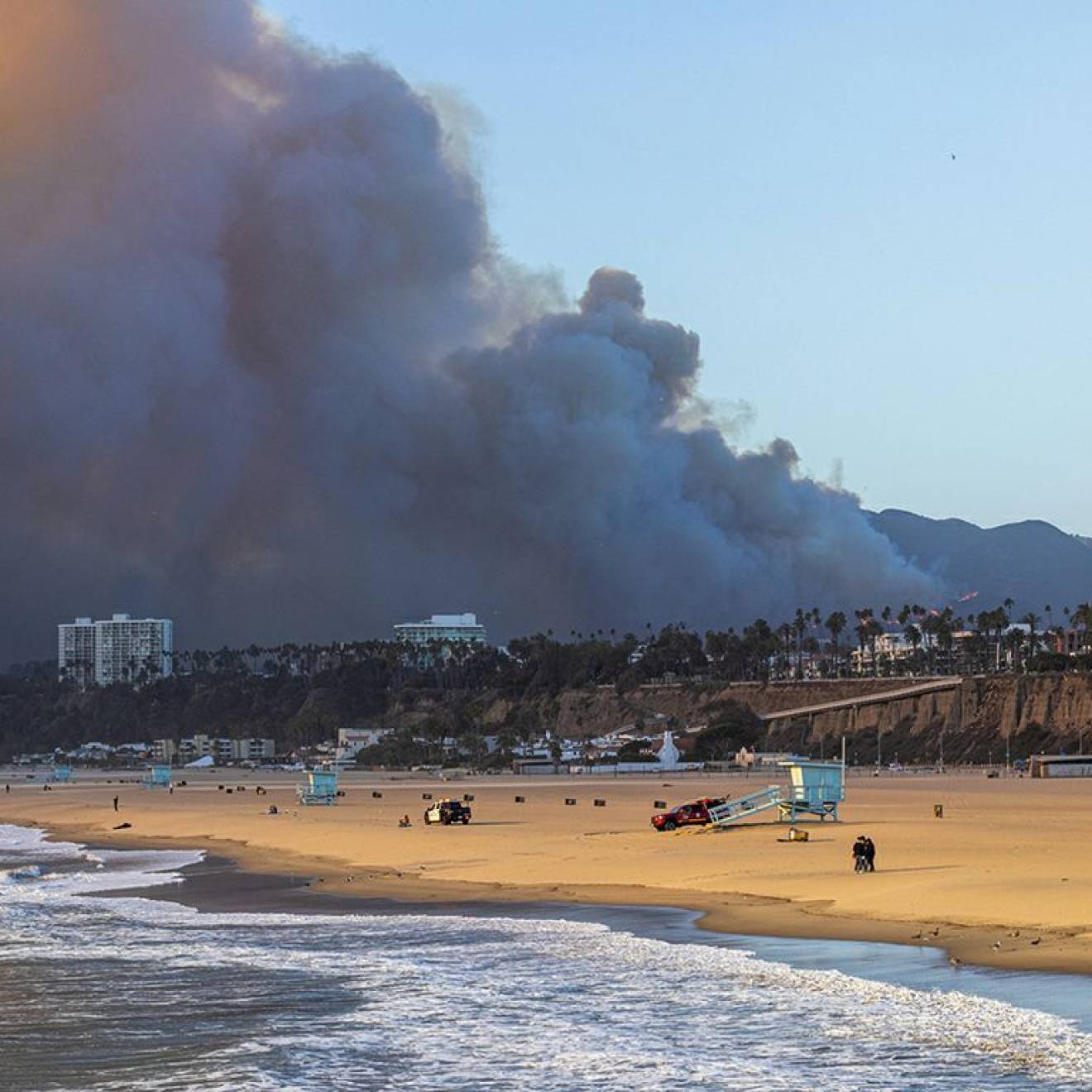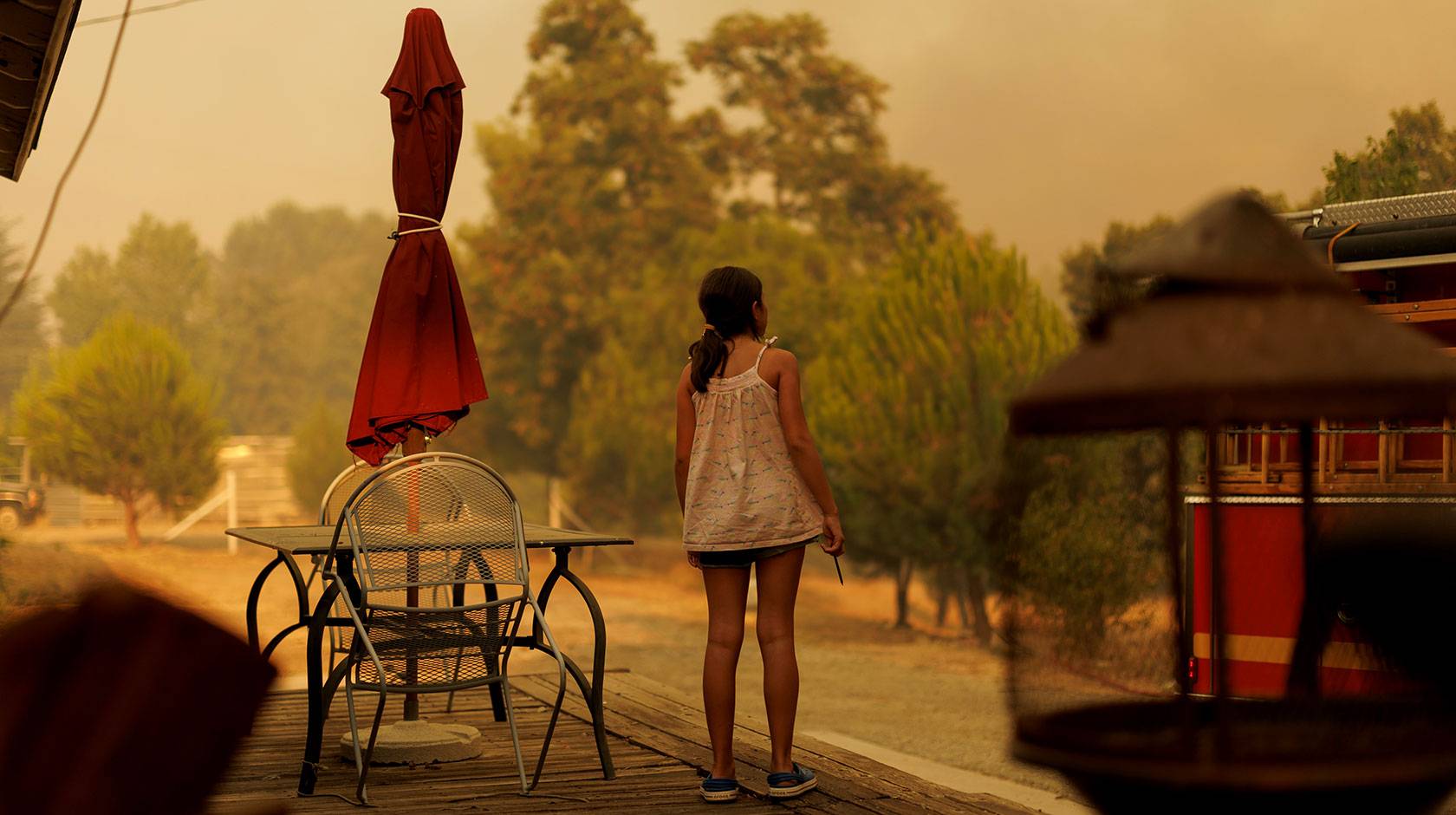
It’s not your imagination: things are getting smokier. Here in California, across the country and around the world, more people are breathing heavier smoke from more wildfires, more often.
Scientists at the University of California are studying how this growing crisis affects our health — and the findings are alarming. Here’s what you need to know.
What makes wildfire smoke dangerous?
Wildfire smoke contains microscopic particles composed of charcoal, dust, mold, heavy metals and toxic chemicals released by burning forests, buildings and vehicles.
These particles are small enough to evade defenses in your mouth, nose and throat, traveling all the way to your lungs.
In your lungs, some particles are absorbed into your bloodstream, where they travel throughout your body and show up in vital organs.
Is wildfire smoke worse than other forms of air pollution?
Yes. Traffic, industry and agriculture also release microscopic particles. But wildfires typically burn much hotter than car engines or industrial machinery, “which basically means [wildfire smoke fine particles] are much more chemically active and can be very, very toxic,” says UC San Diego environmental epidemiologist Tarik Benmarhnia.
In a 2021 study, Benmarhnia’s team found:
An increase of 10 micrograms of PM2.5 from typical sources of pollution like traffic led to roughly a one percent increase in hospitalizations for respiratory conditions.
An equivalent increase in PM2.5 from wildfire smoke caused respiratory hospitalizations to jump by up to 10 percent.
Wildfire smoke and health: 8 new findings from UC research
Almost 7 percent of preterm births in California in 2017-2018 could be attributed to smoky air.
Pregnancies in the top 10 percent of wildfire smoke exposure had a 6% higher likelihood of autism.
Older adults who breathed more wildfire smoke over three years were 4% likelier to be hospitalized for cardiovascular disease.
People with lung cancer who breathed higher levels of wildfire smoke had a 20% greater risk of dying from their disease.
Smoky days saw a 10 percent increase in hospitalizations for asthma.
People who breathed more wildfire smoke had more strokes.
People with the highest level of wildfire smoke exposure had a 7 percent higher risk of dying for any reason.
Between 2008 and 2018, wildfire smoke caused up to 55,000 premature deaths in California.