It’s not every day a clinical trial earns a standing ovation, but scientists are heralding a new era in the treatment of deadly pancreatic cancer this week thanks to foundational science by the University of California.
Data on clinical trial outcomes from a new drug received an extraordinary reception at the annual meeting of the American Society of Clinical Oncology in Chicago on Sunday. The news is widely seen as a game-changer for tackling one of the deadliest cancers.
“Seeing this magnitude of benefit in a randomized phase 3 study is very encouraging for all patients with advanced pancreatic cancer and is a paradigm shift in this deadly disease,” said Dr. Zev Wainberg, professor of medicine and investigator at the UCLA Health Jonsson Comprehensive Cancer Center and co-first author of the study, which was published in the New England Journal of Medicine.
Basic scientific research conducted at UCSF, and funded by the federal government, laid the groundwork for a better understanding of the cancer-causing mutation that the drug targets.
What it is:
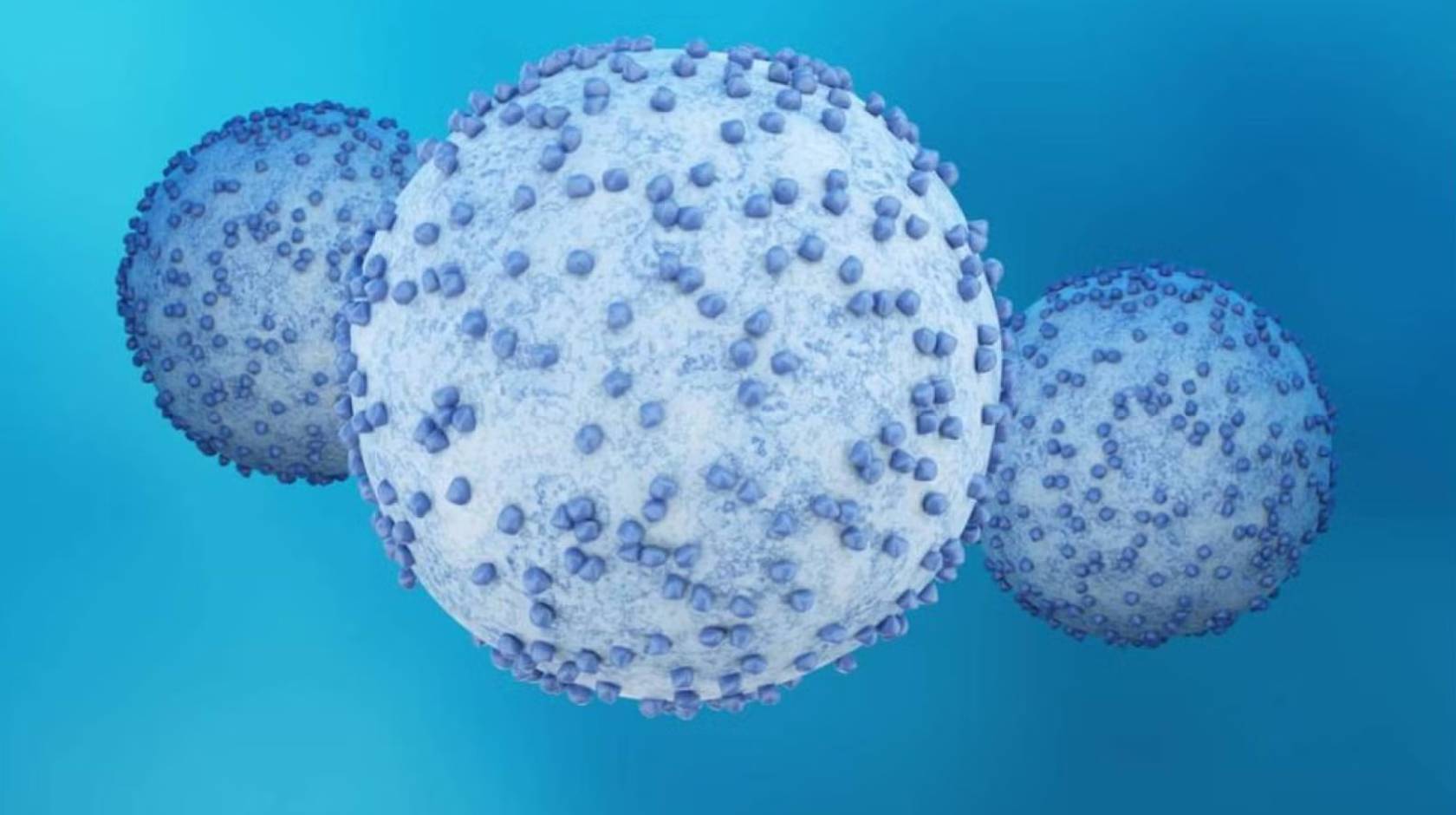
Daraxonrasib is an investigational, first-in-class oral drug designed to block one of the primary drivers of pancreatic cancer — mutations in KRAS, a gene that helps regulate cell growth. The study found that patients taking the drug lived for a median of 13.2 months, compared with 6.7 months for chemotherapy recipients. (UCLA Health)
33% of patients who took the drug experienced tumor shrinkage, and patients reported better preservation of quality of life over time. (UCLA Health)
The drug and its maker, Revolution Medicines — a Silicon Valley company led by UCSF alumnus and biotechnology leader Mark Goldsmith — have generated buzz in the scientific community in recent months.
Former U.S. Senator Ben Sasse (R-Neb.) has talked about his experience being diagnosed with metastatic pancreatic cancer and enrolling in the clinical trial for the new drug.
UC San Diego is also contributing to this breakthrough, as a site — along with UCSF and UCLA — of the ongoing clinical trials for the drug.
Why it matters:
Pancreatic cancer is notoriously hard to detect, and it’s the third-leading cause of cancer deaths in the United States. The American Cancer Society estimates 67,000 people will be diagnosed with pancreatic cancer in the U.S. this year. The five-year survival rate is just 13%.
Amid the widespread celebration of the positive data from the drug study, it’s a reminder of the critical role basic science plays in developing the treatments of tomorrow that save lives and improve quality of life.
What they’re saying:
Dr. Diane Simeone, director of the Moores Cancer Center at UC San Diego Health, notes that progress on treating this disease has been agonizingly slow, until now. “Anything that we can bring to patients with pancreatic cancer that can change survival is amazing,” she told SurvivorNet. “I just want to let you know: we just made a major advance, and there’s a lot more to come. We’re just starting to get a whole new level of momentum.”
“Having treated pancreatic cancer for 16 years, I actually started crying in the clinic,” one pancreatic cancer expert said at a media briefing after the drug study results were reported at the American Society of Clinical Oncology meeting.
Dive deeper:
Through years of research at UCSF, including a breakthrough in 2013, scientist Kevan Shokat and his colleagues developed the first cancer drugs to target a similar kind of cancer-causing mutation. After that, they tested hundreds of molecules, hunting relentlessly for a way in to the evasive KRAS protein mutation connected to pancreatic cancer. Their dogged efforts highlight the importance of basic research.
“It was a lot of trial and error, tweaking the branches of these molecules to position them in this incredibly tight space,” said Shokat, a professor in the Department of Cellular and Molecular Pharmacology at UCSF. “Some got close, then failed, and we would start over.”