Tucked away in quiet reading rooms and climate-controlled stacks across the libraries of the University of California are collections that rival the greatest museums in the world.
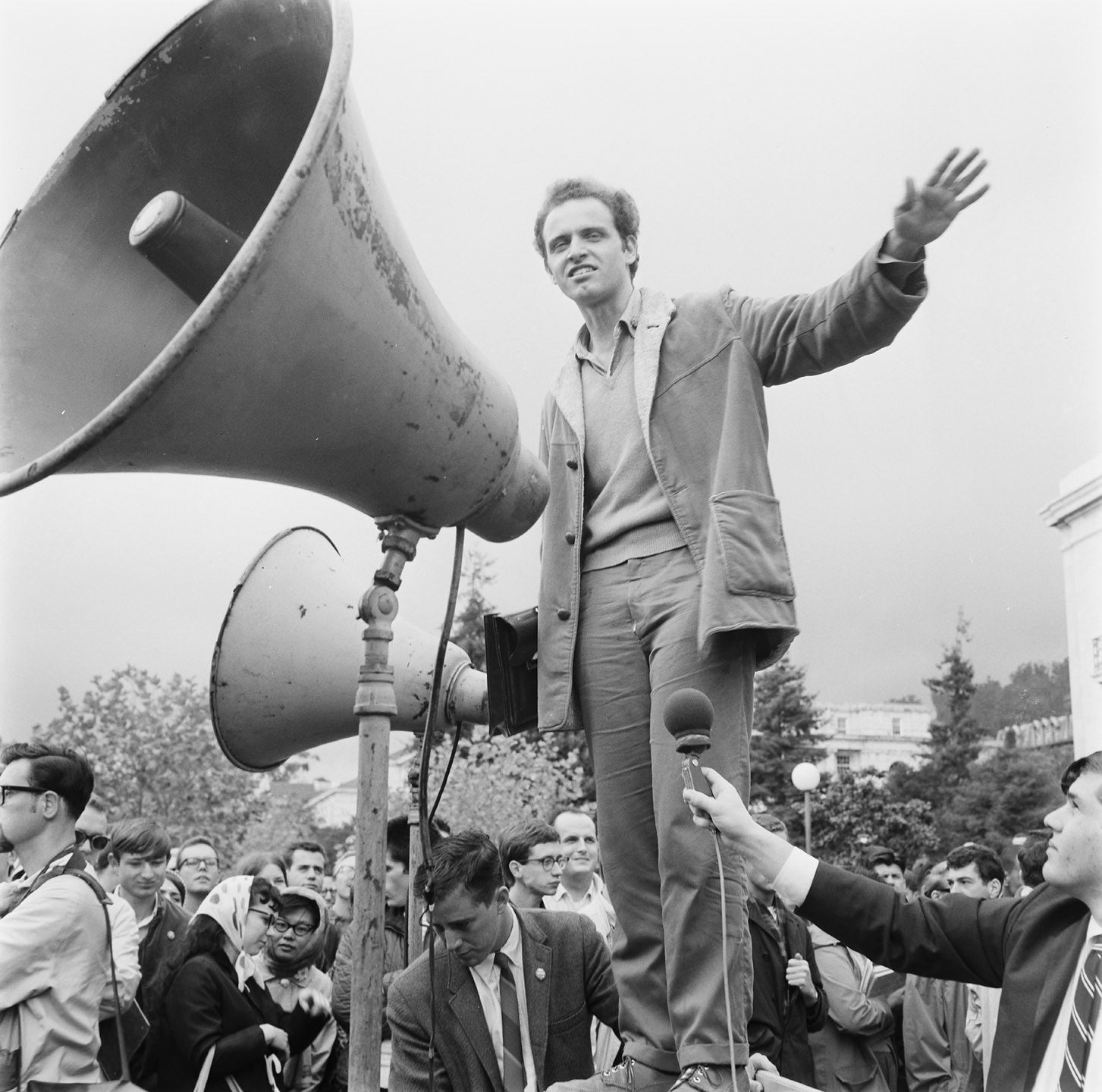
Explore UC’s Calisphere online archive, with free access to 2 million+ images, texts and recordings from UC libraries and scores of partner institutions statewide.
From medieval manuscripts and early maps to artists’ books, political posters and one-of-a-kind ephemera, UC’s special collections offer rare encounters with extraordinary objects and ideas. What many don’t realize: much of this is open to the public. You can make an appointment to visit a campus library in person, or you can opt to explore millions of objects online.
Get started with the 10 highlights below.
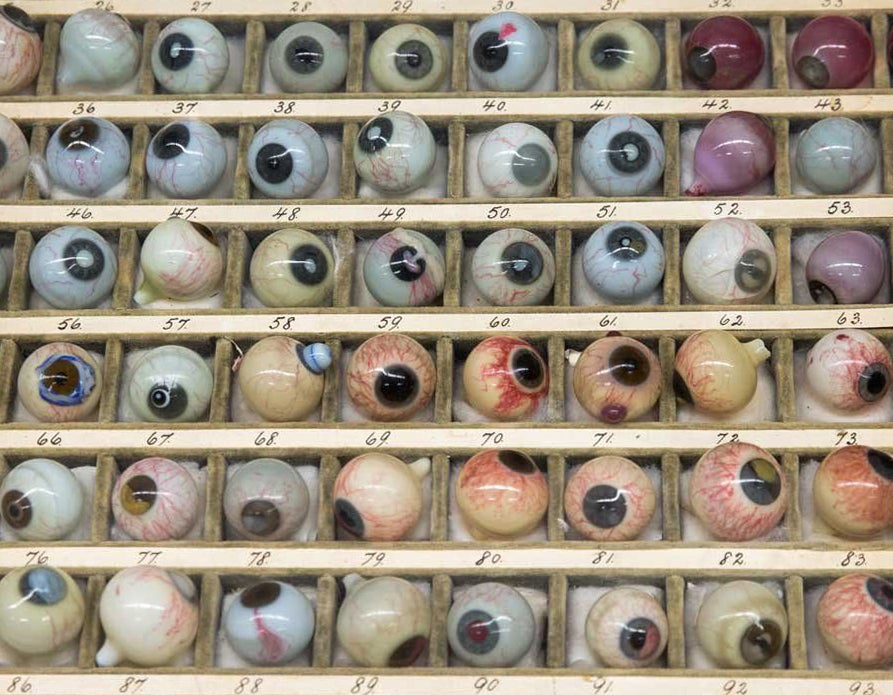
Danz Collection of ocular pathology specimens
Nestled in a drawer at UC San Francisco’s Kalmanovitz Library is a collection that will stop you in your tracks: dozens of delicate, handblown glass eyeballs, each eerily lifelike and meticulously detailed. Crafted in 1880s Germany by master glassblower Amandus Müller, the set is one of 13 believed to have been made as teaching tools for medical schools. Each orb depicts a disease of the eye, capturing everything from minor retinal damage to severe pathology in shimmering, uncanny form — miniature masterpieces that blend science and art in equal measure.
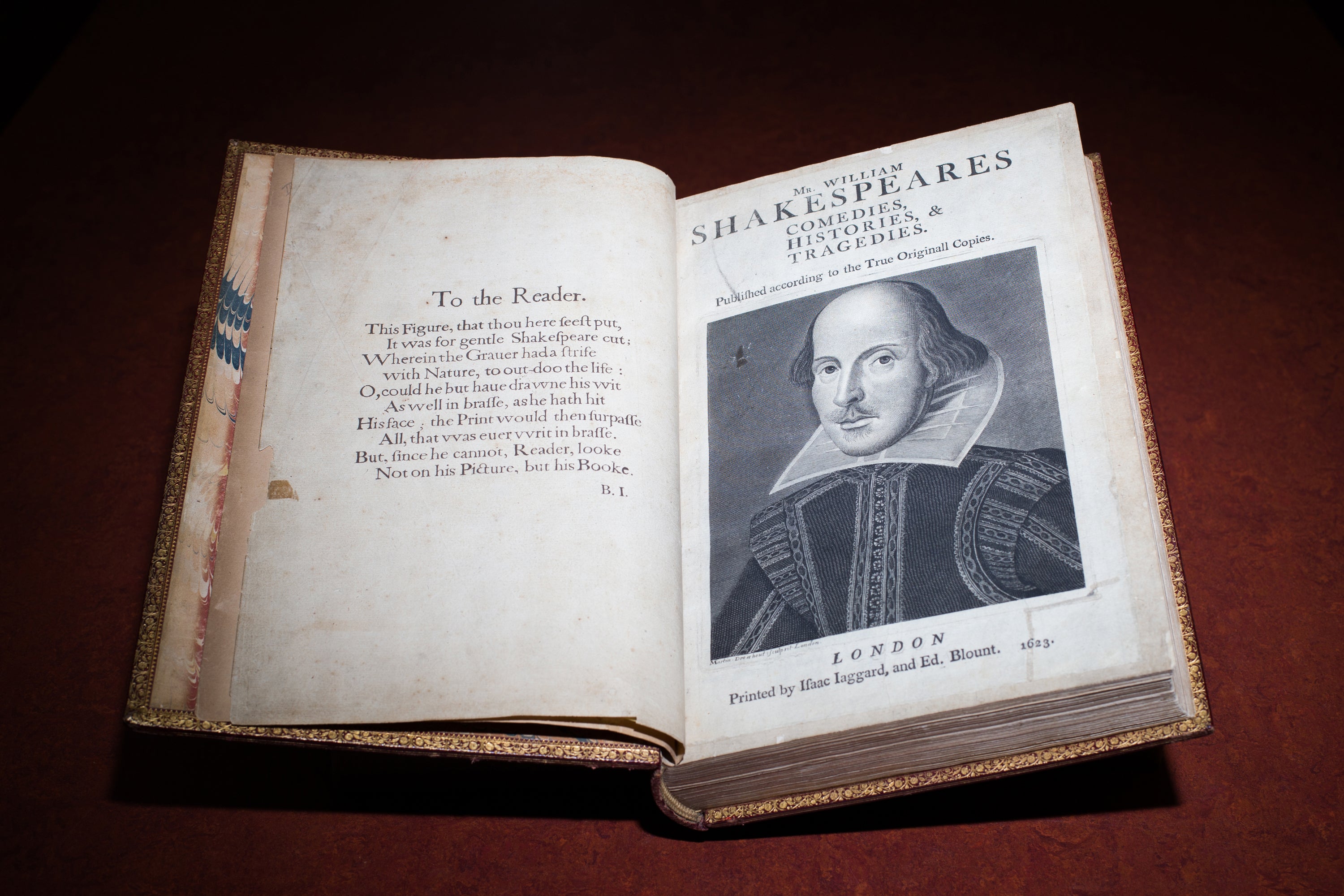
Shakespeare’s First Folio
Few books have shaped the course of literature like Shakespeare’s First Folio. Published in 1623 by two of Shakespeare’s fellow actors, seven years after the Bard’s death, the First Folio was the earliest collected edition of his plays. Without it, works like “Macbeth” and “The Tempest” might have been lost entirely. In fact, 18 of the book’s 36 plays had never before appeared in print. The book is one of only 235 surviving copies from an original run of about 750. (For Northern California fans of the Elizabethan era, a second copy is housed at UC Berkeley.)
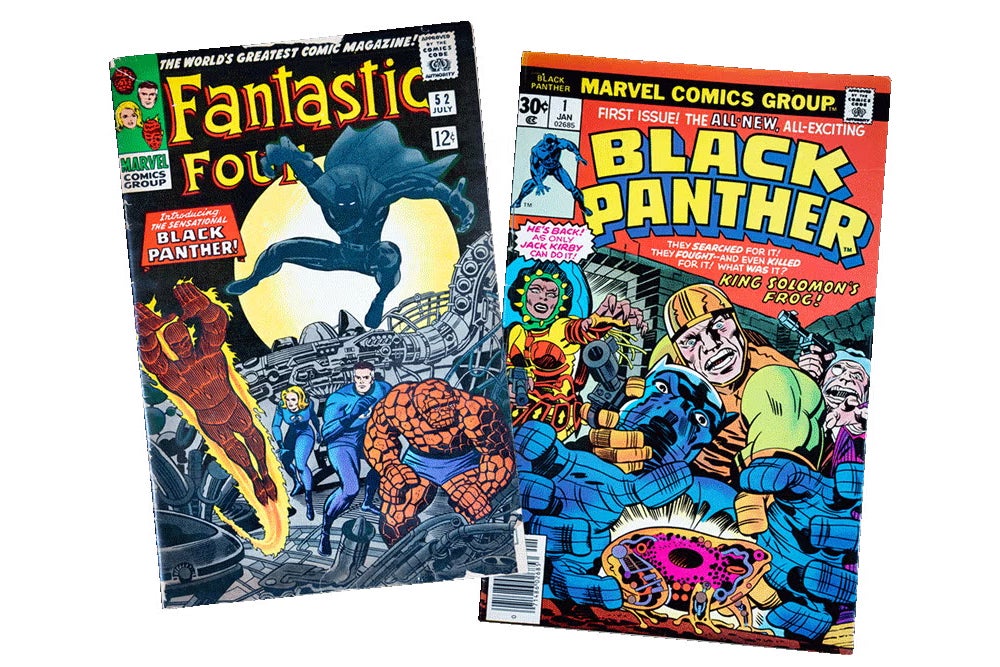
‘Black Panther’ comic books
At UC Riverside’s Eaton Collection of Science Fiction & Fantasy, early “Black Panther” comics mark a pivotal shift in pop culture. Issues like “Fantastic Four” No. 52 (1966), which introduced T’Challa, and “Black Panther” No. 1 (1977) trace the rise of one of the first Black superheroes in mainstream American comics. Rooted in Afrofuturism, the stories blend science fiction with bold ideas about identity, power and representation.
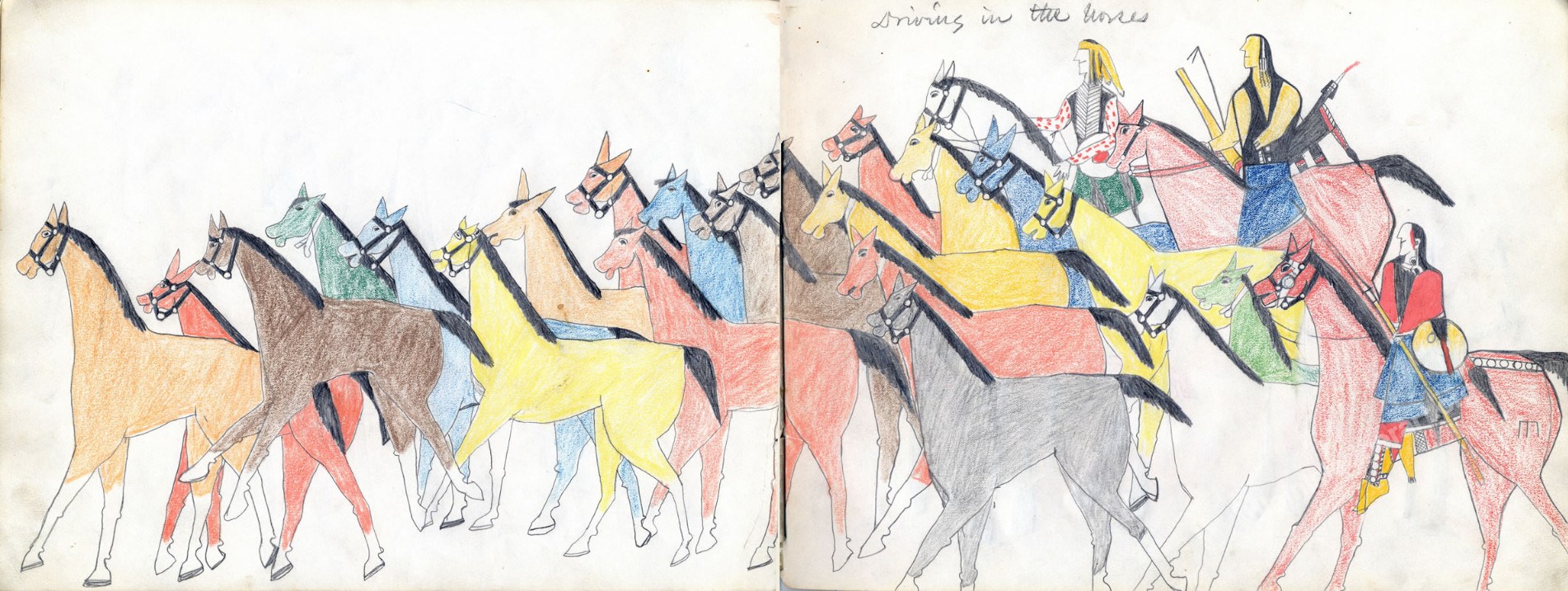
Koba-Russel sketchbook
The Koba-Russel Sketchbook offers a window onto Native American history in the striking form of Plains Indian ledger drawings. Created by Koba, a Kiowa artist imprisoned at Fort Marion in St. Augustine, Florida, from 1875 to 1878, the drawings transform ledger pages once used for accounting into vivid records of tribal life, memory and identity. Koba documents cultural traditions and lived experiences at a time of profound upheaval. Preserved as part of a broader collection of 19th-century ledger drawings, the sketchbook stands as a deeply human testament to resilience and cultural continuity. The ledger is housed at UC San Diego under a co-custodial agreement with the Kiowa Tribe.
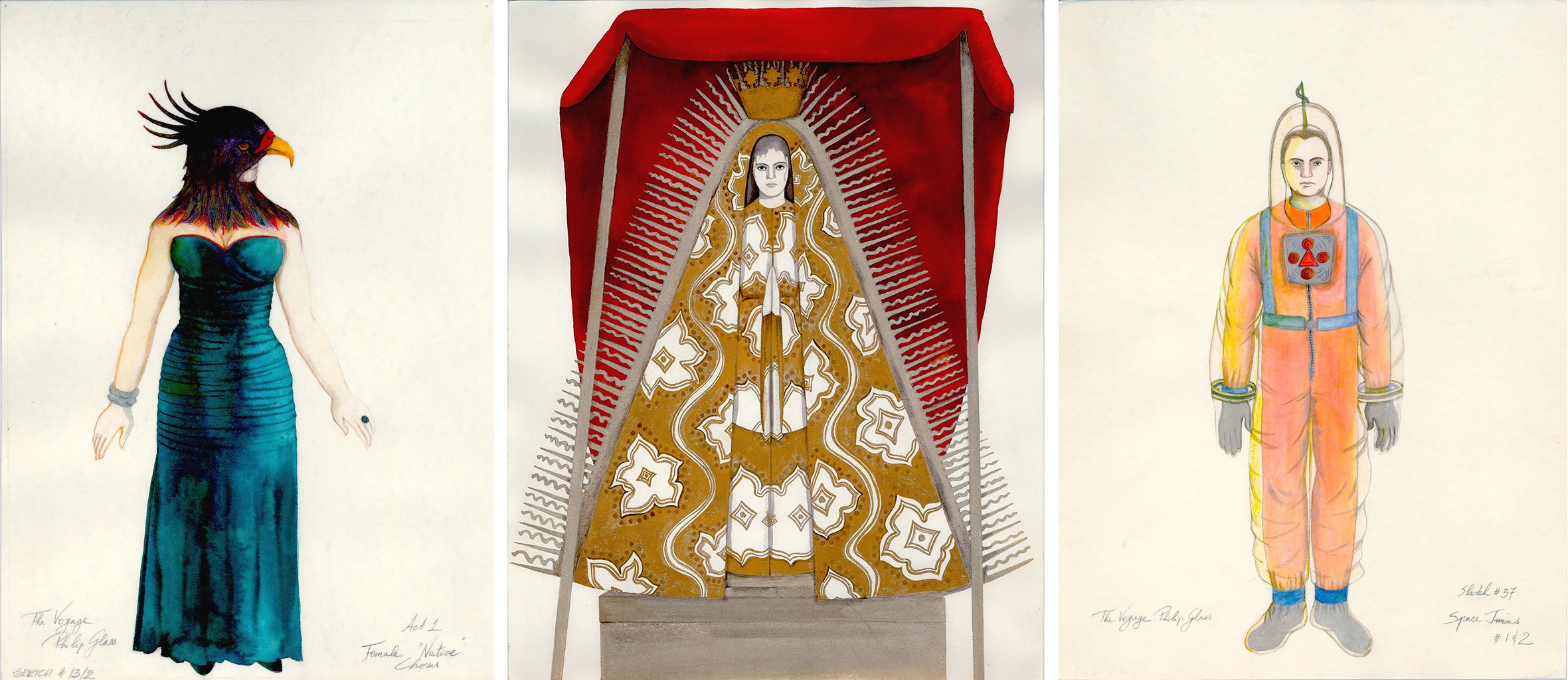
Dunya Ramicova costume design collection
How do you build a world from your imagination? Costume designs for the theater by UC Merced professor emerita Dunya Ramicova offer a starting point, bringing the artist’s vivid visions for the stage to life on paper. Ramicova’s costume designs for “The Voyage,” a major Metropolitan Opera commission by Philip Glass and David Henry Hwang, span an astonishing range, from 15th-century Spanish royalty to futuristic world leaders, sea monsters and beings from distant planets.
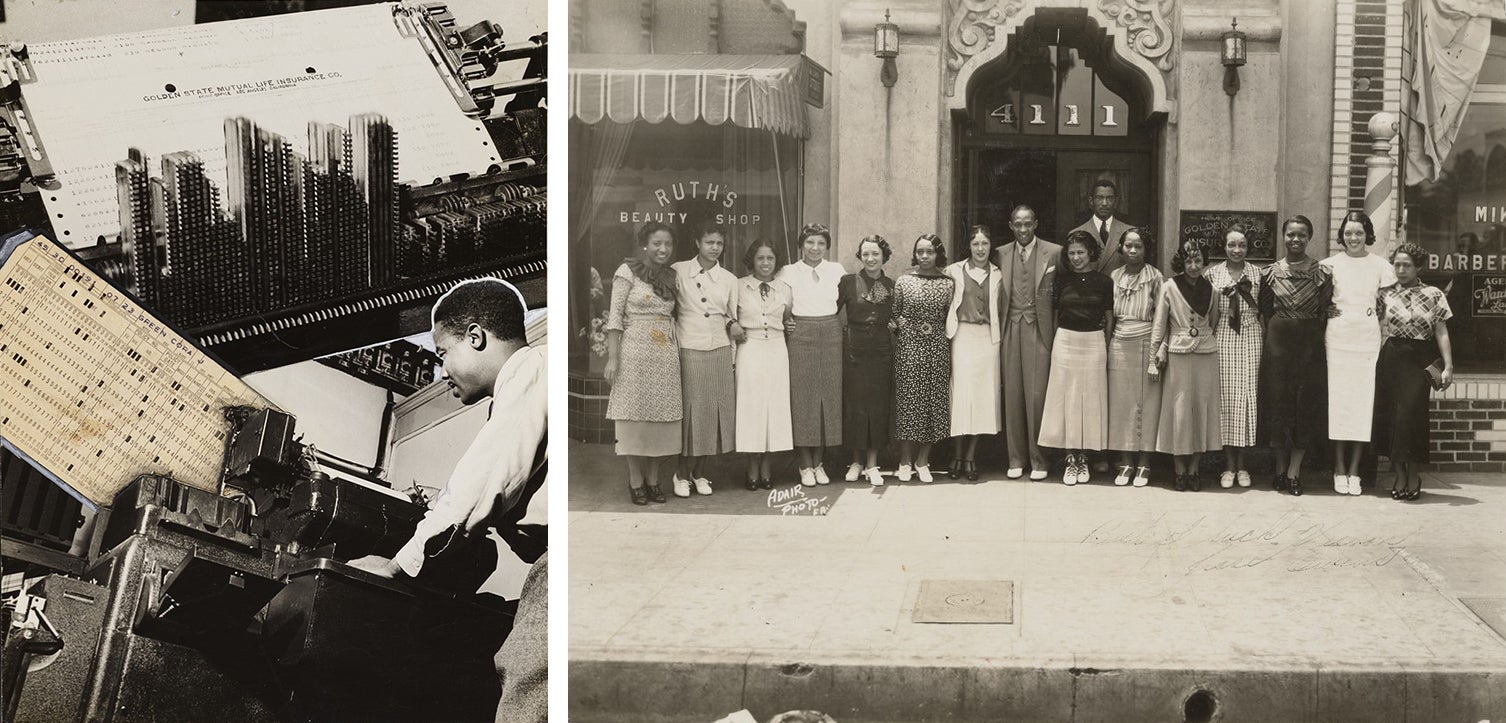
Golden State Mutual Life Insurance Company records
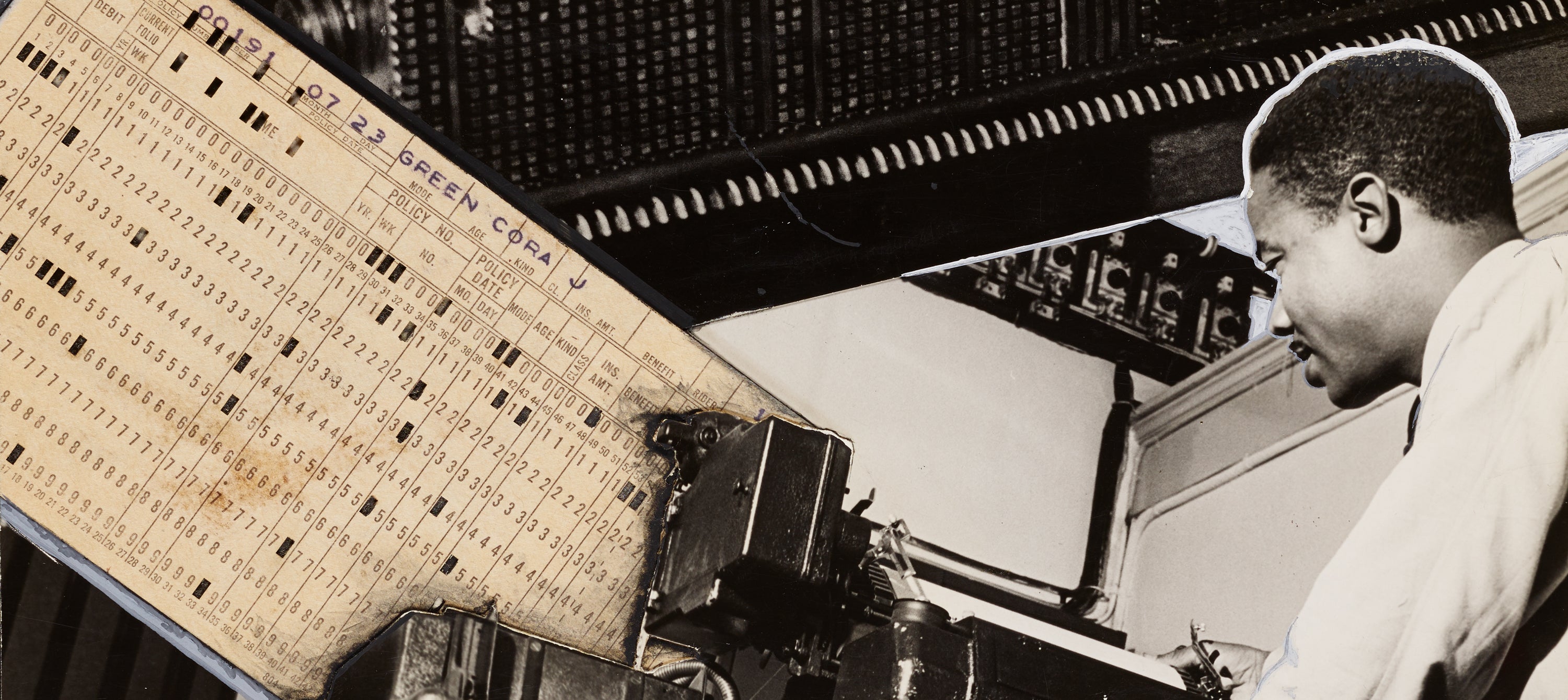
The Golden State Mutual Life Insurance Company was founded in Los Angeles in 1925 and grew into the region’s largest Black-owned insurer, fostering financial stability and opportunity for generations of customers and employees. Decades of photographs, records and ephemera — including the striking collage pictured above that was likely created for a company event — capture both the scale of the company’s operations and the pride and spirit that defined the institution and the community it served.
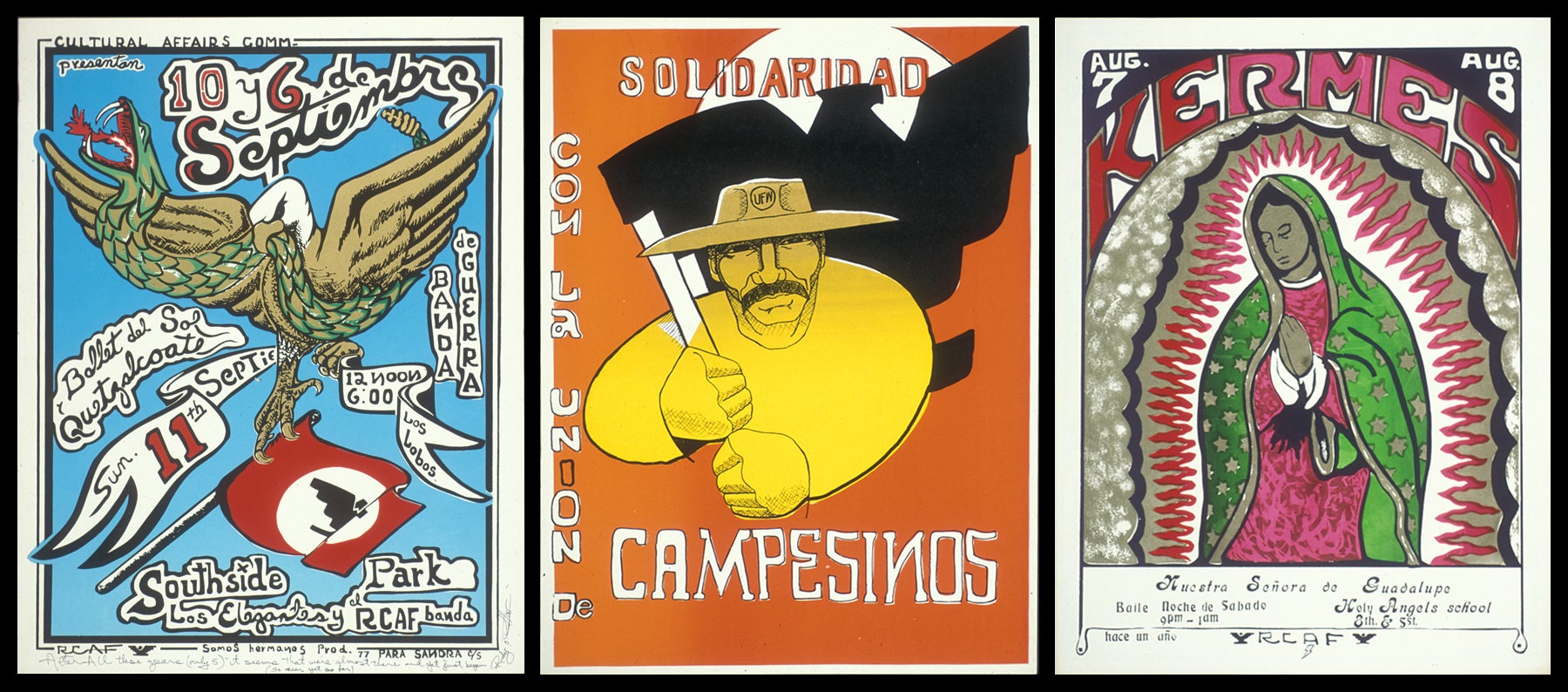
Royal Chicano Air Force archives
Featuring a trove of silkscreened posters from 1972 to 1988 alongside photos and community records, the Royal Chicano Air Force archives capture the energy and creative force of one of the Chicano Movement’s most influential artist collectives. Founded in 1969, the Sacramento-based group used art as a tool for grassroots social change, pairing bold graphic design with messages rooted in civil rights and labor activism aligned with the United Farm Workers.
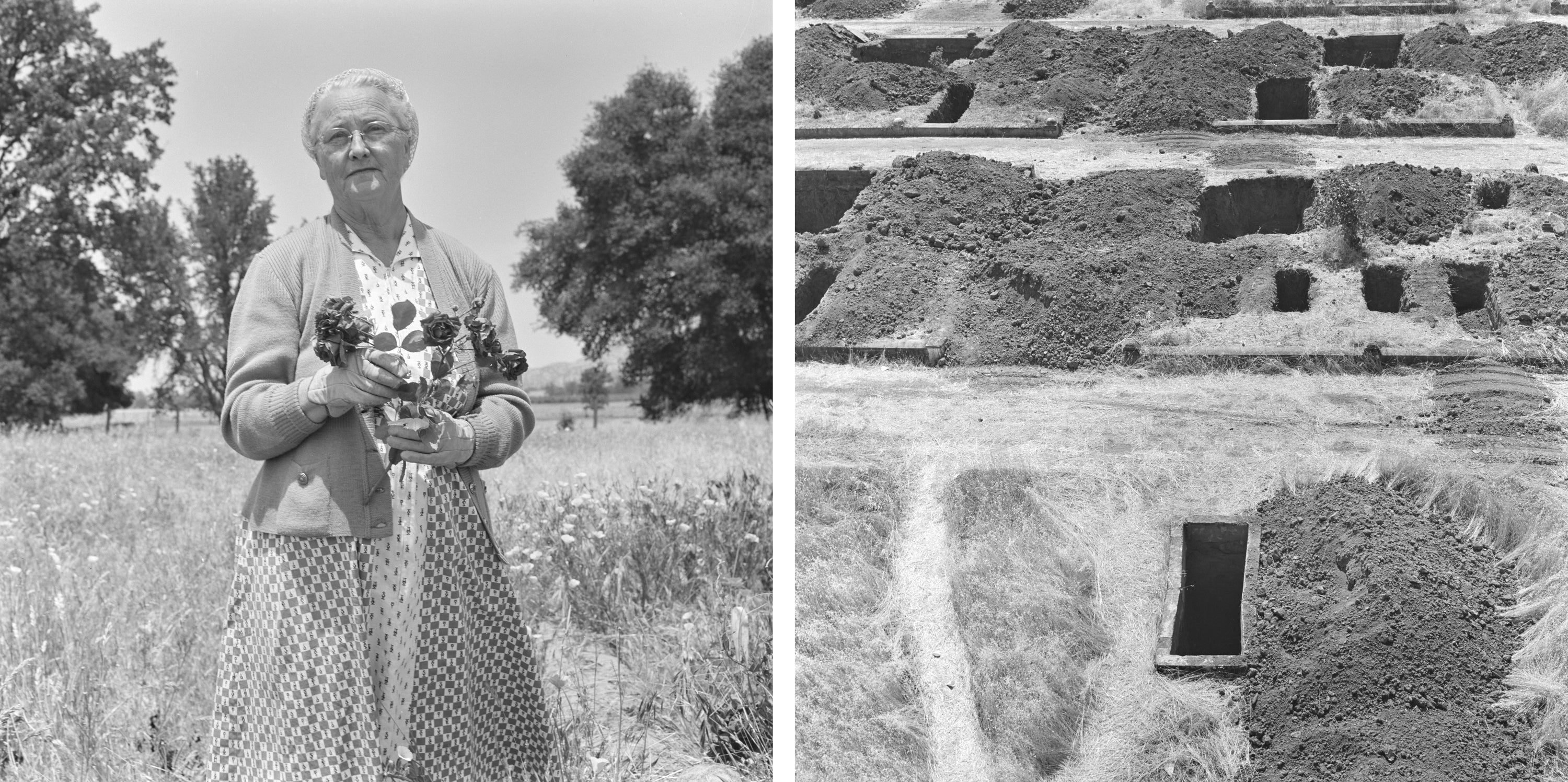
Death of a Valley
The photographs in Death of a Valley draw viewers into a place on the verge of vanishing. In 1956, photographers Dorothea Lange and Pirkle Jones set out to document the Berryessa Valley and the town of Monticello as it was dismantled, emptied and ultimately submerged to create Lake Berryessa. Their images capture residents in poignant moments of upheaval as houses are moved, trees felled and graves disinterred. Their creative collaboration transformed a local story into a document of community and a lasting meditation on loss, memory and the consequences of progress.
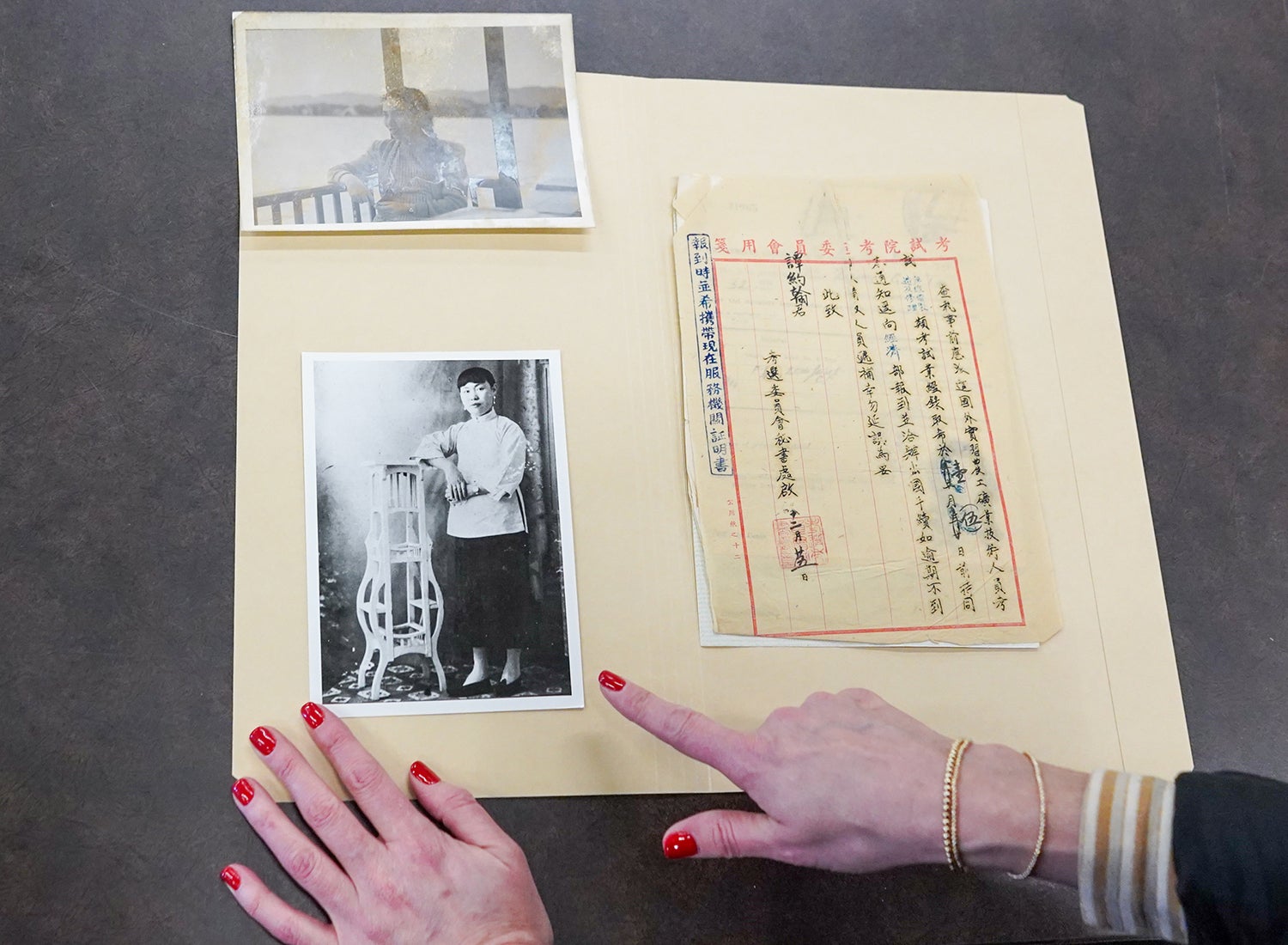
Amy Tan archive
What does a literary life look like? Amy Tan’s archive answers that question in vivid detail. The author of “The Joy Luck Club” and a defining voice in American literature, Tan helped bring Asian American stories into the mainstream, exploring family, memory and identity across generations. Her archive traces those themes back to their roots, including such treasures as Tan’s childhood schoolwork, family photos of Bay Area Chinese American life, marked-up drafts of her novels and sketches for her latest book, “The Backyard Bird Chronicles.”
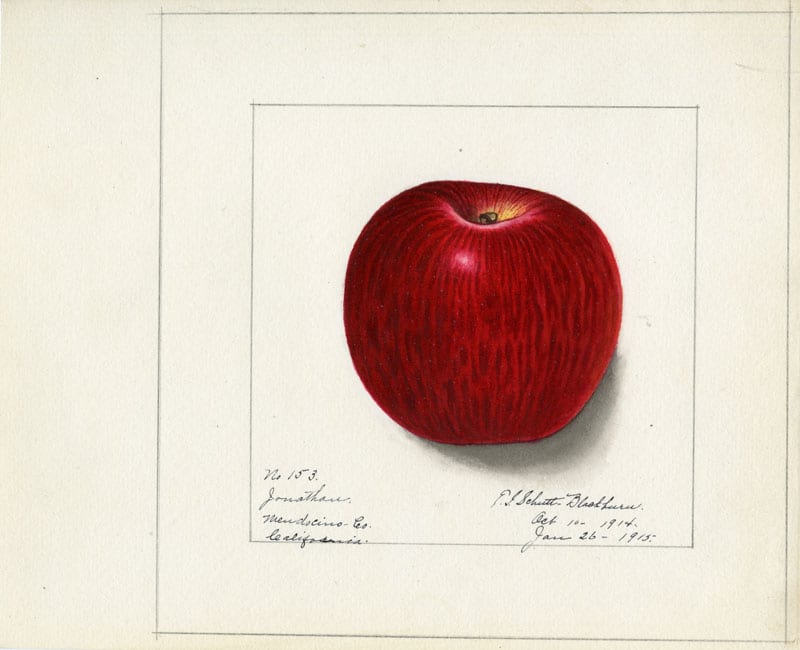
Pomological watercolors
In the late 18th century, the U.S. Department of Agriculture began commissioning artists to document fruit and nut varieties as a resource for farmers. Among them was illustrator Ellen Isham Schutt (1873–1955), who later worked with UC’s Department of Pomology, where she produced 286 detailed watercolor studies of fruits, mostly apples. Today, these illustrations are part of the library’s extensive collections on plant science, food and wine, and agricultural technology, reflecting the campus’s longstanding leadership in agricultural research.
Video banner: Eaton Collection of Science Fiction & Fantasy, UC Riverside